
Why Elite LGBTQ BIPOC Women Choose Holistic Executive Coaching with Reese Sabatini-Blake
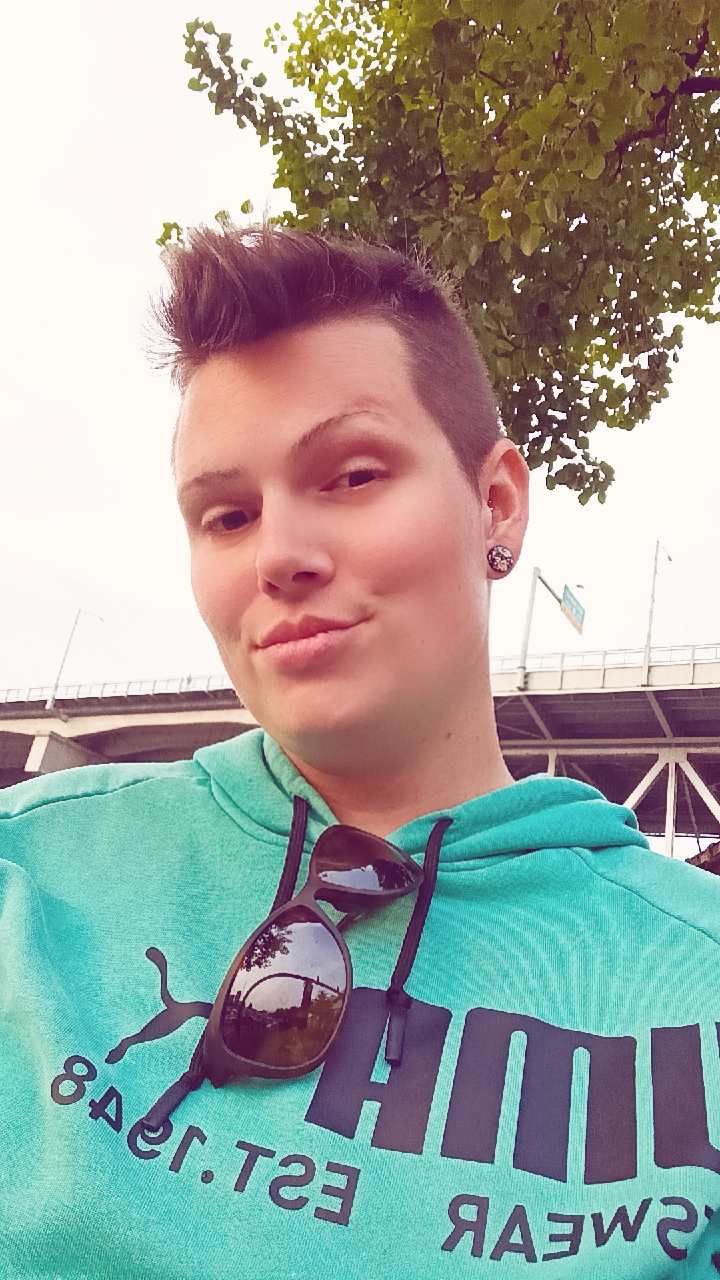
The higher a leader rises, the more often she is asked to split herself into parts.
One part can speak in the boardroom. One part can carry the cultural expectations. One part can manage the unspoken politics of race, gender, sexuality, class, and visibility. One part can go home exhausted and still be expected to show up for family, community, and herself.
For elite LGBTQ BIPOC women, success can come with pressure that is both highly visible and deeply private. They may be leading companies, creative teams, institutions, public initiatives, or legacy-building ventures. They may hold power, influence, and expertise. Still, they often navigate leadership environments that were not built with their full humanity in mind.
That is one reason many choose holistic executive coaching with Reese Sabatini-Blake.
The appeal is not simply coaching for better performance. It is coaching that sees the whole person behind the performance. It is strategy without self-abandonment. It is leadership development that respects lived experience, identity, intuition, ambition, rest, and repair.
For LGBTQ BIPOC women in leadership, the question is often not, “How do I become more capable?” They already are. The deeper question is, “How do I lead at my highest level without disappearing from myself?”

Elite leadership can be isolating when identity is treated as an afterthought
High-achieving LGBTQ BIPOC women often move through spaces where they are “the first,” “the only,” or one of very few.
That kind of visibility can create pride. It can also create a heavy load.
A leader may feel pressure to represent an entire community when she speaks. She may feel watched more closely than her peers. She may be expected to educate others while also delivering excellent results. If she makes a firm decision, bias may frame her as difficult. If she is warm and relational, bias may frame her as less authoritative. If she shares too much of herself, she may feel exposed. If she shares too little, she may feel disconnected from her own values.
These pressures do not always show up in obvious ways. They can look like:
Over-preparing for every conversation because mistakes feel costly
Saying yes too often to avoid being labelled ungrateful or uncooperative
Leading with restraint when the situation calls for full voice
Feeling responsible for protecting others from discomfort
Avoiding conflict because past conflict came with identity-based harm
Achieving outward success while feeling internally depleted
Carrying family, cultural, or community expectations alongside career demands
Traditional leadership coaching may address the visible behaviours: delegation, confidence, communication, strategic planning, decision-making. Those skills matter. But without context, the coaching can miss the real story.
A woman may not struggle to delegate because she lacks skill. She may struggle because she learned early that being trusted requires being exceptional.
She may not hesitate to speak because she lacks confidence. She may be reading the room with precision, scanning for risk, and calculating the cost of honesty.
She may not be “burned out” in a generic way. She may be carrying years of code-switching, proving, protecting, and performing.
Holistic coaching looks below the surface. It asks what the behaviour has protected, what it has cost, and what new way of leading can be built with care.
Why Reese Sabatini-Blake’s holistic approach resonates
Reese Sabatini-Blake’s work appeals to leaders who do not want a one-size-fits-all playbook. They want coaching that meets the complexity of their lives with respect.
Holistic coaching does not treat leadership as separate from the body, values, identity, relationships, nervous system, or sense of purpose. It recognizes that a person’s leadership style is shaped by more than job title. It is shaped by ancestry, culture, family systems, spirituality, trauma, joy, marginalization, community, ambition, and belonging.
That does not make the work vague. It often makes it more precise.
A holistic coach may help a client name the difference between intuition and fear. They may explore why a certain room feels unsafe before working on how to speak in that room. They may support a leader in setting boundaries that respect both her role and her humanity. They may help her move from constant proving into clear, grounded authority.
This is where Reese’s approach stands out. It honours both the external and internal dimensions of leadership.
The external work may include:
Clarifying leadership goals
Preparing for high-stakes conversations
Refining decision-making
Strengthening boundaries
Navigating transitions
Building visibility with intention
Creating sustainable rhythms for work and life
The internal work may include:
Reconnecting with self-trust
Unlearning perfectionism
Processing identity-based pressure
Listening to the body’s signals
Rebuilding rest as a leadership practice
Naming values that have been pushed aside
Healing from environments that rewarded self-erasure
For many clients, that blend is the reason the work feels different.
The coaching is not about becoming more polished. It is about becoming more whole.
Representation changes what becomes possible
Representation in coaching is not a bonus. For many leaders, it is part of the safety required for honest work.
When a coach understands the layers a client is moving through, the client can spend less time explaining and more time transforming. She does not have to justify why a comment landed hard, why a room felt charged, why visibility brings both opportunity and danger, or why rest feels complicated.
That shared understanding can create a different quality of conversation.
A leader can say, “I am tired of being the only one,” without turning it into a lesson for the coach.
She can say, “I want more, but I do not want success that costs me my softness,” and be met without dismissal.
She can say, “I am proud of who I am, and I also feel exposed,” and have both truths held at once.
Representation does not mean every experience is identical. No coach can mirror every part of every client. But a coach who works with cultural humility, identity awareness, and deep respect can help reduce the emotional labour that often happens in coaching spaces that were designed around default assumptions.
That matters for elite leaders because time and energy are already precious. Coaching should not become another place where a client has to translate her humanity before the real work begins.
The right executive coaching relationship can become one of the few places where a high-achieving leader does not have to perform strength in order to be seen as strong.
The unique pressures are real, even when success looks effortless
Elite leaders often become experts at making pressure look manageable.
They arrive prepared. They make difficult conversations sound simple. They hold emotional nuance while others debate surface issues. They help teams stay steady. They anticipate consequences. They carry the room.
From the outside, it may look effortless. Inside, the cost can accumulate.
The pressure to be excellent without needing support
Many high-performing LGBTQ BIPOC women learned that excellence creates safety. Being good was not enough. They had to be exceptional, gracious, composed, and useful.
That pattern can fuel extraordinary success. It can also make support feel risky.
If a leader has been rewarded for being unshakable, admitting uncertainty can feel like failure. If she has been the emotional anchor for others, naming her own need can feel unfamiliar. If she has built a career on competence, pausing to receive help can feel like losing control.
Holistic coaching reframes support as a leadership resource, not a weakness.
It creates a space where the leader can be ambitious and honest. She can want more influence while also admitting exhaustion. She can celebrate her accomplishments while questioning the cost. She can examine what success has required and choose what it will require next.
The pressure to code-switch and self-edit
Code-switching can be a survival skill. It can also become exhausting when it is constant.
Some leaders monitor their tone, language, humour, clothing, hair, gestures, emotional expression, and personal disclosures depending on who is in the room. They may do this so often that they stop noticing the effort.
Over time, constant self-editing can create a painful question: “Who am I when I am not managing perception?”
Holistic coaching helps clients notice where adaptation serves them and where it has become self-erasure.
The goal is not to reject strategy. Strategy is useful. The goal is to make conscious choices. A leader may still decide to read the room, adjust her language, or protect certain parts of her life. But she does so from agency rather than fear.
The pressure to carry community expectations
When a leader is one of few, her success may feel collective. That can be beautiful. It can also be heavy.
She may feel responsible to mentor everyone, represent everyone, donate to every cause, serve on every panel, or stay in roles that no longer serve her because others see her presence as meaningful.
Holistic coaching can help separate genuine purpose from obligation. It can help a leader ask:
Which responsibilities are mine to hold?
Which requests align with my values?
Where am I confusing visibility with service?
What kind of legacy am I building?
Who gets access to my time, and why?
This kind of clarity protects both the leader and the communities she cares about. A depleted leader cannot sustain meaningful contribution. A grounded leader can choose her impact with intention.
Holistic executive coaching addresses the nervous system, not just the calendar
Many leadership challenges are discussed as time problems. The calendar is full. The inbox is overflowing. The meetings are too many. The decisions keep coming.
Those are real issues, but they are rarely only logistical.
When the body is in a chronic state of stress, every task can feel urgent. A simple email can trigger dread. A meeting can feel like threat. A pause can feel unsafe. Rest can bring guilt instead of relief.
Holistic coaching pays attention to these patterns.
It may help a client recognize when her body is bracing before a conversation. It may help her create grounding practices before high-stakes decisions. It may help her distinguish between a true emergency and a familiar stress response. It may help her build rituals for closure so work does not follow her into every room of her life.
This does not replace therapy, medical treatment, or mental health care. Coaching has a different role. But when approached responsibly, it can help leaders notice the connection between body, behaviour, and leadership presence.
A leader who can regulate herself is more able to make clear choices. She can respond rather than react. She can set boundaries without apology. She can enter conflict without abandoning herself. She can lead from steadiness rather than survival.
Tailored strategy matters because generic advice can cause harm
Generic leadership advice often assumes a level playing field.
“Speak up more.”
“Be more visible.”
“Take up space.”
“Say no.”
“Ask for what you deserve.”
These statements can sound empowering, but they miss the realities many marginalized leaders face. Speaking up may carry different consequences depending on the room. Visibility may attract opportunity and scrutiny. Saying no may be read through racialized or gendered bias. Asking for more may require preparation that accounts for power, politics, and safety.
A tailored approach does not water down ambition. It builds strategy around reality.
For example, Reese’s coaching may help a client prepare for a compensation conversation by exploring:
The facts of the request
The emotional charge around deserving more
The power dynamics involved
The client’s cultural relationship to asking
The likely responses and how to stay grounded
The boundary if the answer is no
The deeper question of whether the role still fits
That is more useful than telling someone to “know your worth.” Many elite leaders already know their worth. They need a plan that respects the complexity of claiming it.
Tailoring also means that growth does not look the same for every client.
For one leader, growth may mean becoming more visible. For another, it may mean protecting privacy. For one, it may mean speaking with more force. For another, it may mean trusting quiet authority. For one, it may mean leaving an institution. For another, it may mean staying and reshaping her role.
Holistically, the right strategy fits the person, not just the position.

What clients often describe after working with Reese
To protect privacy, the following reflections are anonymized composites based on common themes that can surface in holistic coaching. They are not presented as named case studies or verified public testimonials.
Still, they capture why this kind of work can feel transformative.
“I stopped performing calm and started feeling grounded.”
One client, a senior leader in a public-facing role, came to coaching after years of being described as “so composed.” Her calm had become part of her brand, but privately she felt disconnected from her own anger, grief, and desire.
She did not want to fall apart. She wanted to stop confusing composure with wellness.
Through coaching, she began noticing where her body tightened during conflict. She practised pausing before agreeing. She named the difference between being diplomatic and being dishonest with herself. She built a small pre-meeting ritual that helped her enter difficult conversations with more presence.
Her shift was subtle to others, but life-changing to her.
She did not become less capable. She became less split.
“I realized I was allowed to want a bigger life.”
Another client had already achieved what many people would call success. She had influence, income, recognition, and a respected voice in her field. Yet she felt guilty wanting more.
Part of her guilt came from family history. Part came from community expectations. Part came from being told, directly and indirectly, that gratitude should make ambition quieter.
In coaching, she explored what desire felt like when it was not filtered through guilt. She clarified the kind of growth that felt aligned, not performative. She began making choices from expansion rather than apology.
The breakthrough was not only professional. She started applying the same honesty to relationships, rest, creativity, and home.
“I finally had language for the exhaustion.”
A third client described being tired in a way that sleep did not fix. She had taken vacations, reduced meetings, and tried better planning. Still, she felt heavy.
Coaching helped her name the exhaustion of constant translation. She had been translating culture, tone, strategy, emotion, identity, and expectation all day long. Once she could name it, she could stop blaming herself for not being “resilient enough.”
From there, she began making practical changes. She reduced unpaid emotional labour. She stopped accepting every invitation to be the representative voice. She created clearer criteria for mentorship requests. She also made space for joy that had nothing to do with productivity.
Her leadership did not shrink. It became cleaner, less burdened by invisible obligations.
“I learned that my intuition was not a liability.”
High-level leadership often rewards analysis. Data, planning, and evidence matter. But many leaders also have strong intuitive intelligence, shaped by lived experience and careful observation.
One client had spent years dismissing her intuition because she feared being seen as too emotional. Coaching helped her test her inner knowing instead of suppressing it. She learned to ask, “What information might this feeling be carrying?” rather than pushing it away.
That shift helped her make stronger decisions. She still used data. She still sought counsel. But she stopped cutting off a vital source of wisdom.
Why “elite” leaders still need spaces where they can be fully human
The word “elite” can create distance. It can make people assume that a leader with status, wealth, or recognition has outgrown the need for care.
That assumption is false.
Elite leadership often magnifies the need for support because the stakes are higher and the rooms are more complex. A leader’s decisions can affect teams, families, clients, communities, and public narratives. Her mistakes may be judged harshly. Her privacy may be limited. Her success may attract projection from others.
High achievement does not protect a person from loneliness. It can intensify it.
Coaching with Reese offers a rare kind of space: one where excellence is respected, but not worshipped. The client does not have to prove that she deserves the room. She can examine the room. She can question the cost of staying in it. She can decide how she wants to occupy it, reshape it, or leave it.
That kind of support is especially meaningful when a leader has spent years being useful to everyone else.
The work often begins with self-trust
Self-trust is not a slogan. It is a practice.
For many LGBTQ BIPOC women, self-trust may have been challenged by environments that questioned their perception. A client may have been told she was overreacting to bias, too sensitive to exclusion, too ambitious for wanting more, or too much for expressing emotion. Over time, even brilliant leaders can begin to second-guess what they know.
Holistic coaching helps rebuild the relationship between inner knowing and outer action.
That may include:
Naming what feels true before asking what is strategic
Identifying patterns of self-abandonment
Practising clean yes and clean no
Reconnecting with pleasure, rest, and creativity
Building decision-making rituals
Creating support systems that reflect the leader’s values
Learning to notice when urgency is external pressure rather than inner clarity
Self-trust also changes how a leader receives feedback. She can listen without collapsing. She can discern what is useful and what is projection. She can take responsibility without absorbing blame that is not hers.
That shift affects every part of leadership.
Holistic coaching helps leaders redefine power
Power can be complicated for people who have experienced marginalization.
Some leaders are wary of power because they have seen it used to harm. Others step into power while feeling they must soften it constantly to remain acceptable. Some over-function because they believe power must be earned again every day.
Reese’s coaching can help clients build a healthier relationship with power.
Healthy power is not domination. It is the ability to choose, protect, create, influence, and tell the truth with care. It includes boundaries. It includes accountability. It includes pleasure and rest. It includes the right to be seen without being consumed.
For an elite leader, redefining power may mean:
Asking for support before crisis
Naming harm without over-explaining
Refusing opportunities that require self-betrayal
Building teams and partnerships that respect her values
Allowing herself to be witnessed in growth
Letting joy be part of success
Trusting that softness and authority can coexist
This matters because many leadership models still reward disconnection. They praise leaders who can produce endlessly, absorb stress silently, and keep personal truth out of the room.
Holistic coaching offers another model. A leader can be strategic, discerning, powerful, and deeply connected to herself.
What makes the coaching relationship feel different
The right coach does not impose a template. They listen for the pattern underneath the words.
A client may begin by saying she wants to manage time better. A skilled holistic coach may hear grief, resentment, over-responsibility, or fear of disappointing others. From there, the work can move toward the real issue.
That is part of why the relationship matters so much.
Clients often seek Reese because they want a coach who can hold ambition and healing in the same conversation. They want someone who understands that a career decision may also be a family decision, an identity decision, a money decision, and a spiritual decision. They want strategy that does not flatten them.
A strong coaching relationship offers:
Depth without overwhelm
Sessions can explore complex emotional terrain while still returning to grounded next steps.
Accountability without shame
The client can be challenged with respect, not pushed through fear.
Structure without rigidity
Goals matter, but the path can respond to what is alive and true.
Affirmation without avoidance
The coaching can honour lived experience while still inviting growth, courage, and responsibility.
Vision without self-abandonment
The client can build toward more without leaving parts of herself behind.
This is the kind of care many elite leaders rarely receive. They are often surrounded by people who want decisions, answers, access, or inspiration from them. Coaching gives them a place to be met, not mined.
How to know when holistic coaching may be the right fit
A leader may be ready for Reese’s approach when success is no longer enough on its own.
That does not mean everything is falling apart. In fact, many clients arrive during moments of expansion. They are stepping into a bigger role, building a new body of work, leaving a misaligned space, or preparing for a more visible season.
Holistic coaching may be a strong fit when a leader is asking questions like:
Why do I feel exhausted when things are going well?
How do I lead without performing a version of myself?
What do I actually want next?
How do I stop confusing pressure with purpose?
How do I set boundaries without guilt?
How do I hold visibility without losing privacy?
What would success feel like if my body felt safe too?
These questions deserve more than productivity tips. They deserve careful, identity-aware, whole-person support.
If this kind of coaching feels aligned, book a session with Reese Sabatini-Blake to explore what support could look like in this season of leadership.
FAQ
Is holistic coaching only for leaders in crisis?
No. Many leaders seek holistic coaching when they are growing, changing direction, or preparing for greater visibility. The work can support clarity before burnout or crisis takes over.
How is holistic coaching different from traditional leadership coaching?
Traditional leadership coaching often focuses on goals, skills, and performance. Holistic coaching includes those areas while also considering identity, values, emotional patterns, the body, relationships, and sustainability.
Is this coaching only for LGBTQ BIPOC women?
Reese’s work may support a range of clients, but this article focuses on why her approach resonates with elite LGBTQ BIPOC women. Representation, cultural awareness, and tailored strategy can be especially meaningful for leaders navigating layered systems of power.
Can coaching help with burnout?
Coaching can help leaders identify patterns that contribute to burnout and build healthier boundaries, rhythms, and decision-making practices. It is not a substitute for medical or mental health care when clinical support is needed.
What should someone expect from the first session?
A first session often centres on where the client is now, what feels unresolved, and what kind of support would be most useful. The process is collaborative, grounded, and shaped around the client’s goals and lived experience.
A fuller way to lead
Elite LGBTQ BIPOC women do not choose holistic coaching because they need to be fixed. They choose it because they are ready to lead without fragmentation.
They are ready for support that honours their brilliance without demanding constant performance. They are ready for strategies that account for power, identity, and lived reality. They are ready to trust their inner wisdom and build success that feels honest from the inside.
Reese Sabatini-Blake’s approach speaks to that readiness. It offers a space where leadership can become less about survival and more about alignment. Less about carrying every room and more about choosing how to stand in it.
The most powerful leaders are not the ones who abandon themselves to succeed. They are the ones who learn to bring more of their truth, clarity, and wholeness into the work that matters.


Comments