Why Vancouver Businesses Choose Reese Sabatini-Blake at BecomingBlissful.ca for Executive Coaching and Wellness
Good leaders do not burn out all at once. Teams do not lose trust in one meeting. Workplace stress usually builds in small, repeated ways: unclear priorities, poor recovery, tense communication, constant reactivity, and a sense that people must keep producing even when their energy is gone.
That is why more Vancouver organizations are looking for support that goes beyond a one-time workshop or a motivational talk. They want practical coaching for leaders, grounded wellness support for employees, and a guide who can speak to both performance and well-being without treating them as separate goals.
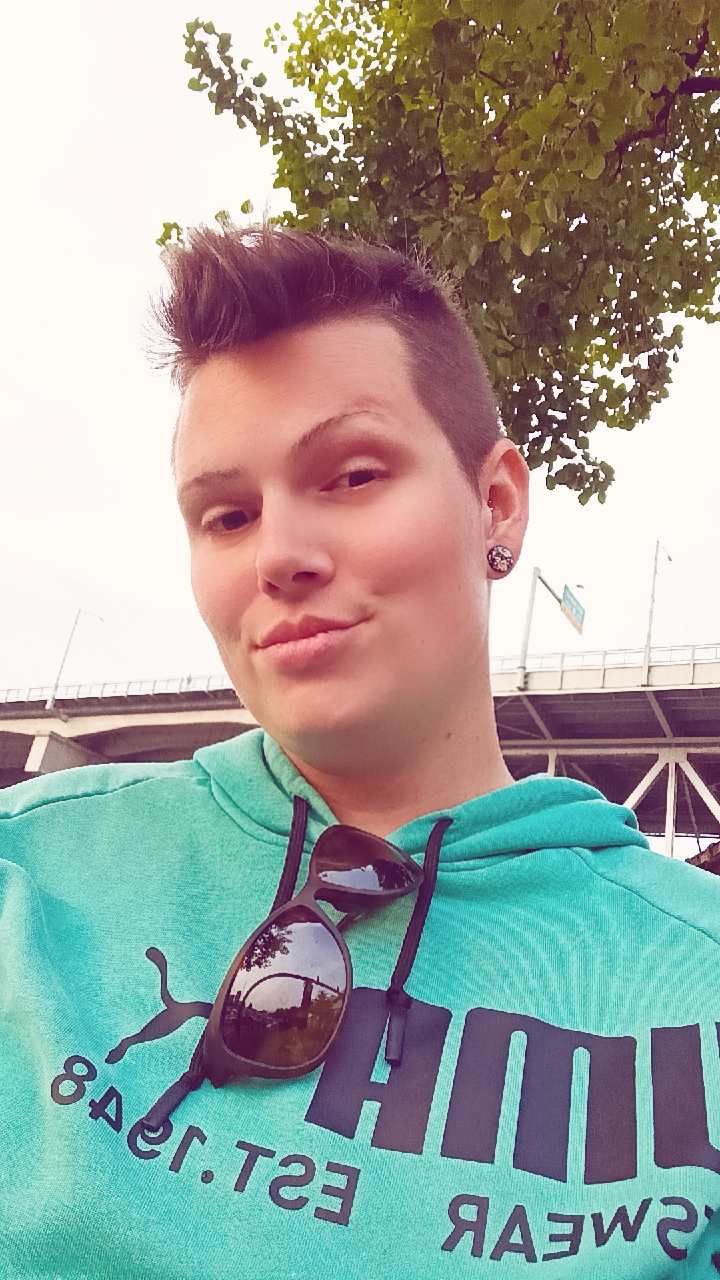
Reese Sabatini-Blake of BecomingBlissful.ca offers that kind of integrated support. Her work is a fit for organizations that want clearer leadership, healthier team habits, and a workplace culture where people can do strong work without sacrificing their mental and emotional health.
For executives and corporate teams in Vancouver, the appeal is clear: when leaders grow and employees feel supported, productivity improves in a way that can last.

Vancouver companies need leadership support that fits real workplace pressure
Vancouver organizations operate in a demanding environment. Teams are often hybrid. Talent is competitive. Employees expect more than a paycheque. Leaders must manage change, performance, communication, retention, and well-being at the same time.
That creates a difficult tension. Businesses need focus and results. Employees need space to recover, think clearly, and feel respected. When either side is ignored, problems show up quickly.
Common signs include:
Leaders who are technically skilled but struggle with difficult conversations
Managers who absorb stress from every direction
Teams that avoid conflict until it becomes costly
Employees who are present but disengaged
High performers who quietly lose energy and motivation
Wellness initiatives that feel disconnected from daily work
A program that only focuses on productivity can push people harder without solving the root issue. A program that only focuses on relaxation may feel pleasant but fail to change workplace behaviour. The stronger approach connects the two.
This is where BecomingBlissful.ca stands out. The work is not framed as a perk on the side. It is positioned as a practical support system for how people lead, relate, recover, and perform.
What makes Reese Sabatini-Blake’s approach different
Choosing a coach or wellness provider is a trust decision. Credentials matter, but so does fit. Teams need someone who can hold a room, listen well, guide honest conversation, and help people turn insight into better habits.
Reese Sabatini-Blake brings a people-centred approach that suits organizations looking for more than a generic program. While any organization should confirm current credentials, training, and scope of practice directly with a service provider before booking, Reese’s work through BecomingBlissful.ca is best understood through several clear strengths.
She connects inner well-being with outward performance
Many workplace issues appear operational on the surface. A leader misses cues in a meeting. A team reacts defensively to feedback. A manager avoids a hard conversation. A high performer starts making mistakes.
The deeper cause may be stress, unclear boundaries, low self-awareness, fear of conflict, or poor recovery. Reese’s approach recognizes that performance is not only about skill. It is also about attention, regulation, confidence, communication, and trust.
That matters because executives often operate under pressure that rewards speed over reflection. Corporate employees may do the same, especially if the team culture treats busyness as proof of value. Coaching and wellness support can interrupt that cycle.
The goal is not to make work soft or vague. The goal is to help people work with more clarity, steadiness, and purpose.
She offers support that can meet people at different levels
Some workplace coaching providers focus only on senior leaders. Some wellness providers focus only on general employee sessions. BecomingBlissful.ca is valuable because it can support both ends of the organization.
A senior leader may need help with presence, decision fatigue, communication style, or managing a major transition. A team may need better tools for stress, emotional reset, boundaries, or trust. These needs are connected.
When leadership development and employee support are aligned, the culture hears one message: well-being and performance belong together.
She brings a calm, grounded presence to sensitive topics
Workplace wellness is personal. Leadership coaching can be personal too. People may discuss stress, confidence, conflict, grief, identity, values, or the pressure to succeed.
For that kind of work to be useful, participants need to feel safe enough to be honest. Reese’s value is not only in content, but in the way the work is held. A calm, grounded facilitator can help people slow down, name what is happening, and leave with practical steps rather than feeling exposed or overwhelmed.
That tone is especially valuable in corporate settings, where employees may be cautious about opening up. The right facilitator respects boundaries while still creating meaningful engagement.
She understands that change must fit a busy workday
A wellness program that requires people to completely rearrange their lives will not last. A coaching plan that only works during quiet seasons will not hold up when pressure rises.
Effective support must fit into real calendars, real deadlines, and real relationships. Reese’s work is a strong fit for organizations that need tools people can actually use during a difficult week.
That may include simple grounding practices, communication frameworks, reflective prompts, leadership habits, or team agreements. Small practices done consistently can often create more change than a dramatic initiative that disappears after launch.

Services BecomingBlissful.ca can bring into a workplace
Organizations often begin with one visible need: a leader under strain, a team that feels disconnected, or employees asking for more meaningful wellness support. BecomingBlissful.ca can help translate that need into the right mix of coaching, education, and practice.
The services below reflect the kinds of support a Vancouver business may seek when working with Reese Sabatini-Blake.
One-on-one leadership support
Personalized coaching gives executives and managers a confidential space to think clearly, test assumptions, and build stronger habits. This is especially helpful when a leader is navigating change, growth, conflict, or a demanding role.
One-on-one support may focus on:
Leadership presence and self-awareness
Decision-making under pressure
Communication style and difficult conversations
Confidence and imposter feelings
Burnout prevention and recovery habits
Values-based leadership
Healthy boundaries for senior roles
The best coaching conversations do not simply ask, “What should you do?” They also ask, “What pattern keeps repeating, and what would change if you led from a steadier place?”
That kind of reflection can improve both personal effectiveness and team trust.
Group workshops for workplace well-being
Workshops can introduce practical tools to a larger group without requiring everyone to enter a formal coaching relationship. They work well for lunch-and-learn sessions, leadership off-sites, team development days, onboarding programs, or ongoing learning series.
Topics may include stress management, mindful communication, emotional regulation, workplace resilience, values, boundaries, or creating healthier team habits.
The key is making the session practical. Employees do not need another abstract talk about balance. They need a few useful practices they can remember when the inbox is full, a client is upset, or a meeting becomes tense.
Team wellness sessions
Some teams need a shared reset. This is different from individual support. Team wellness sessions can help a group pause, reflect, and rebuild healthier norms together.
These sessions may help teams notice:
What drains energy most often
Where communication breaks down
Which expectations are unclear
How stress spreads through the team
Which practices would help people recover
How to support one another without blurring professional boundaries
For hybrid teams in Vancouver, shared wellness work can also reduce isolation. People often appear fine on video calls while privately carrying stress. A well-facilitated session creates room for honest reflection without turning the workplace into therapy.
Customized wellness programs
Many organizations have tried one-off wellness events. They can be enjoyable, but they often fade quickly. A customized program has a better chance of lasting because it reflects the culture, schedule, and pressure points of the organization.
This is where employee wellness programs can become more useful. Rather than offering random sessions, a thoughtful program can be built around a clear purpose.
For example:
A leadership team may need coaching before rolling out a large internal change.
A customer-facing team may need recovery practices after high emotional labour.
A growing company may need support for first-time managers.
A professional services firm may need boundaries and burnout prevention.
A hybrid team may need rituals that rebuild connection.
Customization matters because every workplace has its own stress patterns. A small Vancouver firm, a growing technology company, a non-profit, and a professional services organization may all use wellness support differently.
Speaking and facilitated sessions
Some organizations want a clear, engaging session that opens a conversation across the company. Speaking engagements and facilitated sessions can introduce key ideas in a way that feels accessible and useful.
These can work well for wellness weeks, leadership retreats, staff development events, or culture days. The benefit is that a skilled facilitator can make well-being feel relevant to work, not detached from it.
A strong session should leave participants with language they can use right away. For example, teams may begin to talk more openly about energy, recovery, boundaries, and communication habits.
Why coaching and wellness belong together
Some companies treat coaching as a leadership investment and wellness as an employee benefit. That separation is common, but it can limit the impact of both.
Leadership behaviour shapes employee well-being. Employee well-being shapes productivity, retention, customer experience, and collaboration. The two influence each other every day.
If a company invests in employee wellness but leaders continue to model overwork, the program loses credibility. If a company invests in leadership coaching but ignores employee stress, leaders may improve as individuals while the culture remains strained.
The stronger model connects both.
When leaders receive support They become more aware of how their decisions, tone, and habits affect others.
When both happen together The organization builds shared language around well-being and performance.
When employees receive support They gain tools to manage stress, communicate needs, and work with more focus.
When neither happens Stress becomes normal, and the best people may begin to disengage.
This connection is especially important for organizations that want sustainable productivity. People do better work when they have clear priorities, respectful communication, enough recovery, and leaders who understand the human side of performance.
This does not mean lowering standards. It means creating the conditions where high standards are more realistic and less costly.

How these services can improve productivity
Productivity is often treated as a time management issue. Sometimes it is. Yet in many workplaces, the real barriers are not calendar problems. They are attention problems, trust problems, recovery problems, or leadership problems.
Coaching and wellness services can improve productivity by addressing those underlying factors.
Better focus through stress regulation
Stress narrows attention. It can make people reactive, scattered, or stuck in short-term thinking. Simple regulation practices can help employees return to a clearer state before making decisions or responding to others.
That does not require long breaks or complicated routines. Even brief practices can help people pause before sending the sharp email, entering the difficult conversation, or carrying tension into the next task.
When teams learn these tools together, they can normalize taking a moment to reset rather than pushing through until quality drops.
Clearer communication
A great deal of workplace waste comes from unclear communication. People redo work because expectations were vague. They withhold concerns because feedback feels unsafe. They misread tone. They escalate too late.
Leadership coaching can help managers become more direct, calm, and consistent. Wellness work can help employees understand their own responses under pressure. Together, these skills reduce friction.
Clearer communication supports:
Shorter decision cycles
Fewer repeated misunderstandings
More useful feedback
Better conflict repair
Higher trust across roles
Stronger boundaries and better recovery
Many high performers struggle to stop. They answer messages late, absorb other people’s urgency, and treat rest as something earned only after everything is complete.
Over time, that weakens judgment and creativity. It can also make teams dependent on emergency effort rather than good planning.
A strong wellness program helps people identify the difference between commitment and overextension. Coaching helps leaders model that difference. This is essential because employees watch what leaders reward.
If leaders praise constant availability, wellness messaging will not land. If leaders respect focus time, recovery, and clear priorities, employees can follow.
More confident managers
Many managers are promoted because they were good individual contributors. That does not mean they have been taught how to coach others, handle conflict, or manage emotional pressure.
One-on-one support can help managers build confidence without pretending they have all the answers. They can practise how to listen, set expectations, respond to defensiveness, and lead people through uncertainty.
That confidence matters. An anxious manager can unintentionally create confusion. A grounded manager can help a team steady itself.
Better retention and engagement
People are more likely to stay where they feel respected, supported, and able to grow. Compensation still matters, but daily experience matters too.
A culture that supports well-being can reduce the quiet disengagement that happens when employees no longer see a healthy future at work. Coaching and wellness are not magic fixes for structural issues, but they can help organizations notice and address problems earlier.
When employees see leaders participating in their own growth, the message is stronger. It shows that well-being is not something placed on employees alone. It is part of how the organization wants to operate.
Success stories show what change can look like
Client confidentiality matters in coaching and workplace wellness. The examples below are anonymized composite scenarios based on common organizational challenges. They are not presented as private client data. They show the kinds of outcomes a thoughtful engagement with BecomingBlissful.ca may support.
A growing Vancouver company supports first-time managers
A local company had promoted several high-performing employees into management roles. The new managers cared about their teams but felt unprepared for conflict, feedback, and workload conversations.
The organization brought in leadership support focused on self-awareness, communication, and stress patterns. Managers explored how they responded under pressure and practised clearer conversations with their teams.
Over time, the managers became more comfortable naming expectations earlier. They stopped waiting until frustration built up. Team members reported feeling less surprised by feedback and more confident asking for clarification.
The key shift was simple: managers moved from reacting late to leading earlier.
A client-facing team rebuilds energy after a demanding season
A customer-facing team had been through a period of heavy demand. People were still completing tasks, but they felt depleted. Small tensions were becoming more common, and employees were carrying emotional residue from difficult interactions.
A wellness series gave the team shared tools for reset, reflection, and boundaries. The sessions were practical and short enough to fit the workday. Employees learned ways to decompress after intense calls, recognize signs of overload, and support one another without taking on everything.
The team did not become stress-free. No real team does. But they gained language for what was happening and tools to respond sooner.
The meaningful outcome was a healthier rhythm. People could recover between demands instead of dragging one stressful interaction into the next.
An executive finds steadier leadership during change
A senior leader was guiding a team through uncertainty. The leader felt pressure to provide confidence while privately feeling stretched thin. That created a pattern of over-functioning: taking on too much, making decisions alone, and becoming less available for strategic thinking.
Through coaching, the leader examined the beliefs driving that pattern. They worked on delegation, presence, and more transparent communication. They also built personal practices for recovery and reflection.
The result was not a personality overhaul. It was steadier leadership. The leader became clearer about priorities, more willing to involve the team, and less likely to carry every problem alone.
That kind of shift can have a wide effect. When a senior leader becomes calmer and clearer, the team often feels it.
What to look for when choosing an executive coaching and wellness partner
The right partner can improve trust and participation. The wrong fit can make well-being feel like a checkbox.
For Vancouver organizations assessing providers, several qualities matter.
A practical approach
Employees should leave with tools they can use. Leaders should leave with better questions, clearer habits, and a plan for applying what they learn.
A good session may feel reflective, but it should not stay abstract. People need to know what changes after the conversation.
Respect for confidentiality
Coaching and wellness conversations may touch on sensitive topics. Clear boundaries around confidentiality, reporting, and participation help people feel safer.
Organizations should ask how information is handled, what stays private, and what themes may be shared back in a general way.
Custom fit
A generic session may be easy to book, but it may not address the actual culture. A better provider asks about goals, team dynamics, pressure points, and timing.
For example, a company going through rapid growth needs different support than a team recovering from a hard year. A senior leadership group needs different work than a full-staff wellness session.
A tone that feels human
Corporate wellness can fail when it feels too polished, clinical, or detached. People need a facilitator who is credible, warm, and able to meet the room as it is.
Reese Sabatini-Blake’s BecomingBlissful.ca brand signals a focus on well-being that is grounded in real human experience. For many organizations, that tone is exactly what helps employees engage.
Alignment with business goals
Wellness should not be separated from the work. Leadership coaching should not become a private exercise with no cultural effect.
The strongest engagements connect personal growth with organizational outcomes. That may include better communication, stronger managers, lower stress, clearer priorities, or more sustainable performance.
Why Vancouver is the right place for this kind of work
Vancouver has a strong mix of industries, from technology and professional services to education, health, tourism, creative fields, and mission-driven organizations. Many workplaces here also operate with a strong awareness of lifestyle, mental health, inclusion, and sustainability.
That combination creates a clear expectation. Employees want workplaces that acknowledge the full person. Leaders want teams that can perform well without constant burnout. Organizations want support that feels modern, practical, and grounded.
Local context matters. A Vancouver-based provider can better understand the rhythms of the region, including hybrid work patterns, talent competition, long commutes for some employees, high cost-of-living pressure, and the value many people place on access to nature and well-being.
BecomingBlissful.ca fits this context because the work speaks to both ambition and balance. Vancouver companies do not have to choose between strong performance and healthier teams. With the right support, those goals can reinforce each other.

How an engagement with BecomingBlissful.ca may unfold
Every organization will have different needs, but a thoughtful engagement often follows a simple path.
Start with the real issue
The first step is naming what is actually happening. Is the organization trying to prevent burnout? Support managers? Rebuild trust? Improve communication? Offer meaningful wellness programming? Help leaders through change?
The clearer the need, the better the support can be.
Choose the right format
Some needs call for private leadership coaching. Others call for a workshop, a facilitated team session, or a longer wellness series. Many organizations benefit from a combined approach.
A senior team, for example, may begin with coaching and then introduce employee sessions once leaders are ready to model the same principles.
Make participation feel safe
Employees should understand the purpose of the work. They should know what is expected, what is optional, and how privacy is protected.
When wellness programming feels forced, people resist. When it feels respectful and relevant, they are more likely to participate.
Build habits, not one-time inspiration
The most useful programs do not end when the session ends. They create language, rituals, and habits people can keep using.
This may include a short reset before difficult work, a team check-in that goes beyond task lists, a manager practice for feedback, or a personal reflection routine for leaders.
Review what changed
The organization should look for practical signs of progress. Are managers having better conversations? Are employees using the tools? Do teams have clearer norms? Are leaders more aware of stress patterns?
Not every benefit will show up in a spreadsheet right away. Still, the organization should be able to feel and describe what has improved.
The business case for choosing Reese Sabatini-Blake
The case for this work is both human and practical.
When leaders are supported, they make better decisions and create healthier conditions for their teams. When employees are supported, they bring more attention, energy, and resilience to their roles. When both are true, the workplace becomes more capable.
Reese Sabatini-Blake and BecomingBlissful.ca offer Vancouver businesses a grounded way to invest in that connection. The value is not only in a workshop or a coaching session. It is in helping people relate to work differently, with more clarity, care, and steadiness.
For organizations that want to strengthen leadership, reduce preventable stress, and build a culture where people can do their best work, this is a smart place to start.
A healthier workplace does not happen by accident. It grows through repeated choices, thoughtful support, and leaders who are willing to model the change they want to see.


Comments